Training Is What Sets Us Apart.
Practical training. Professional judgment. Preparation for real-world situations.
Why Training Level Matters
Ontario's Security Guard licence establishes a baseline — and many licensed guards bring valuable experience developed over time. Some environments, however, present challenges that benefit from additional structured preparation: healthcare facilities managing behavioural situations, condominiums with vulnerable residents, high-profile events, or properties with elevated operational risk.
In those contexts, personnel trained in use of force, tactical communication, advanced first aid and emergency management are better positioned to respond appropriately. 3D Enhanced Security requires all deployed personnel to hold at minimum a Tier III qualification.
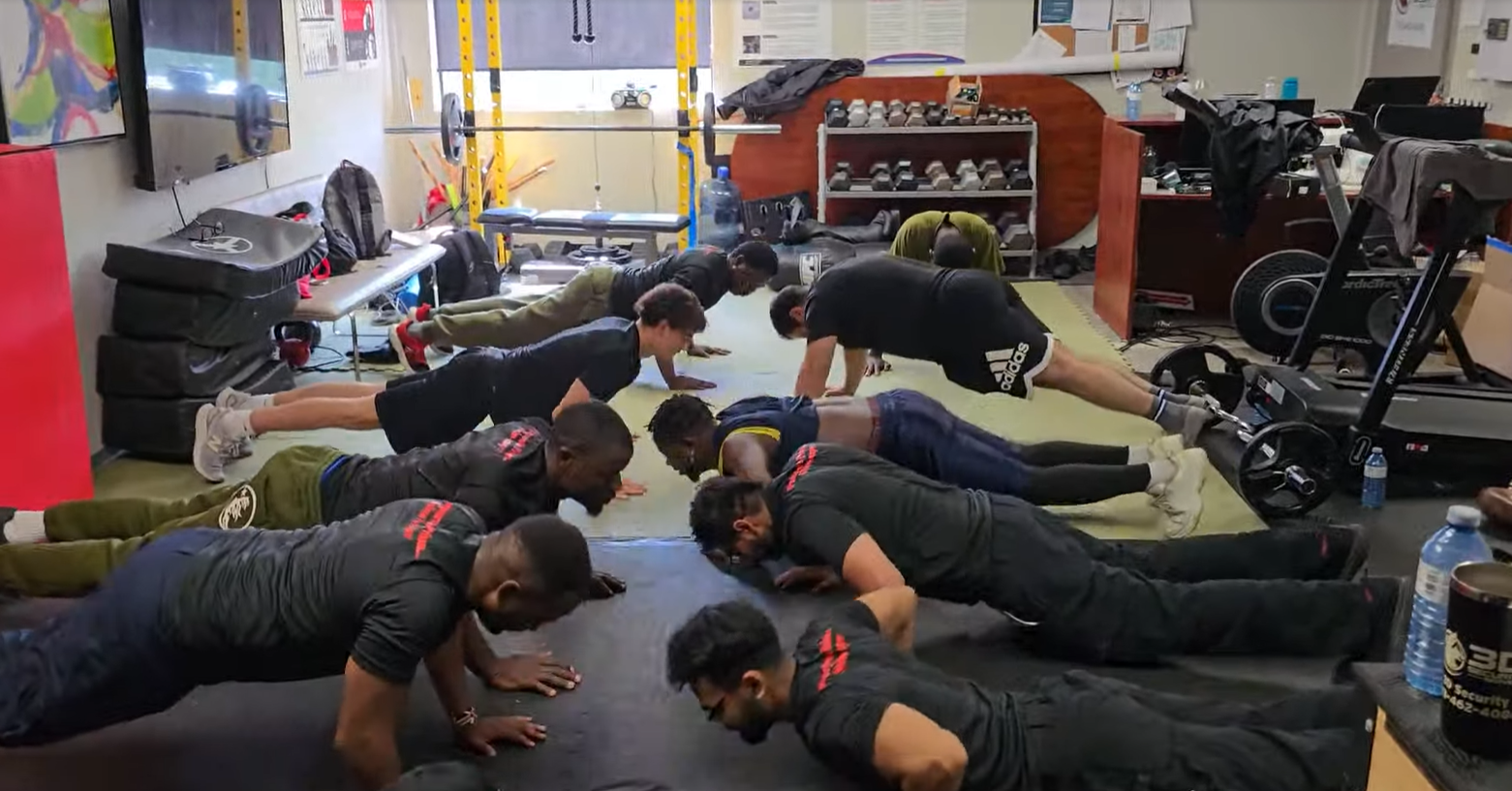
Training That Goes Beyond the Classroom.
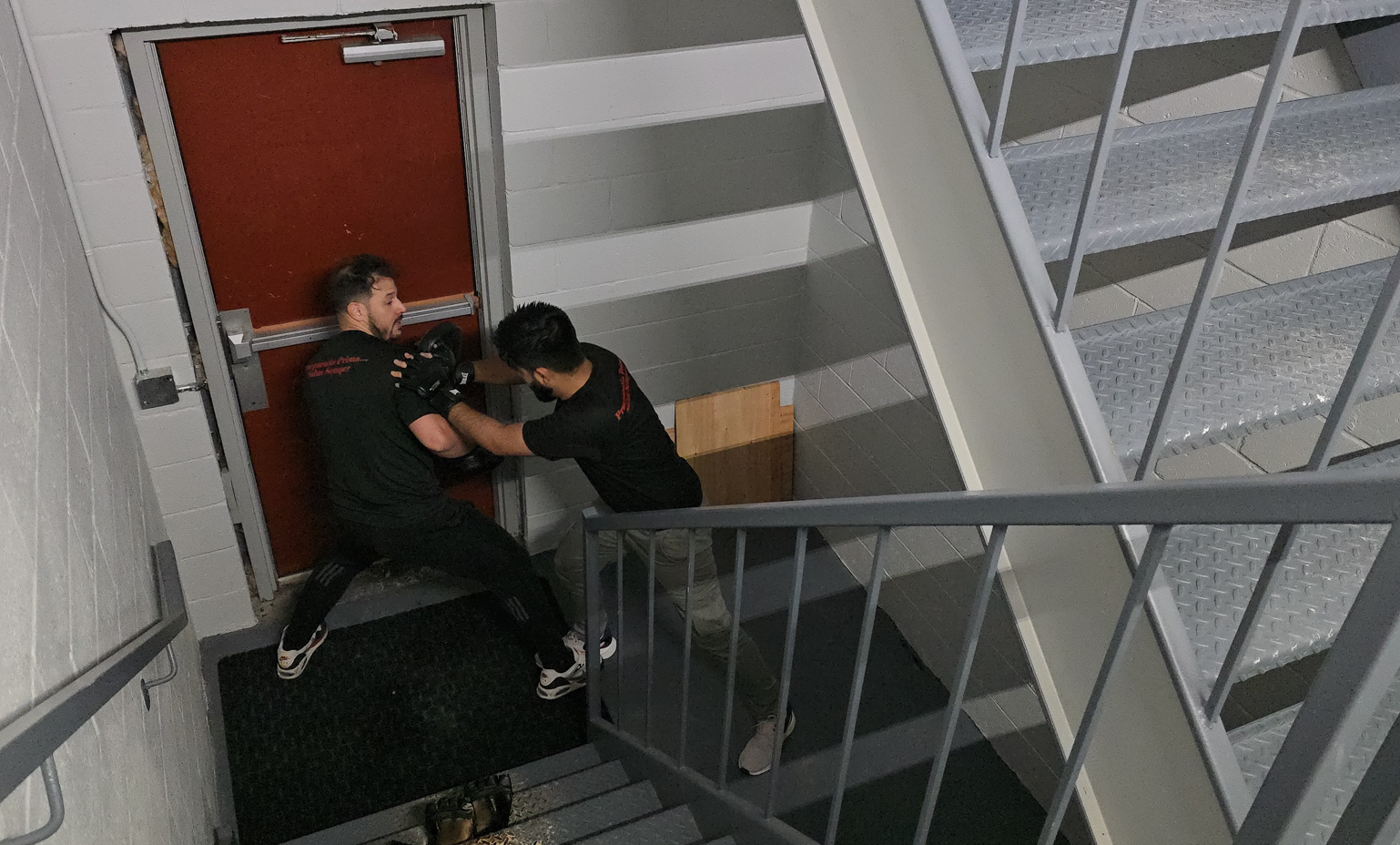
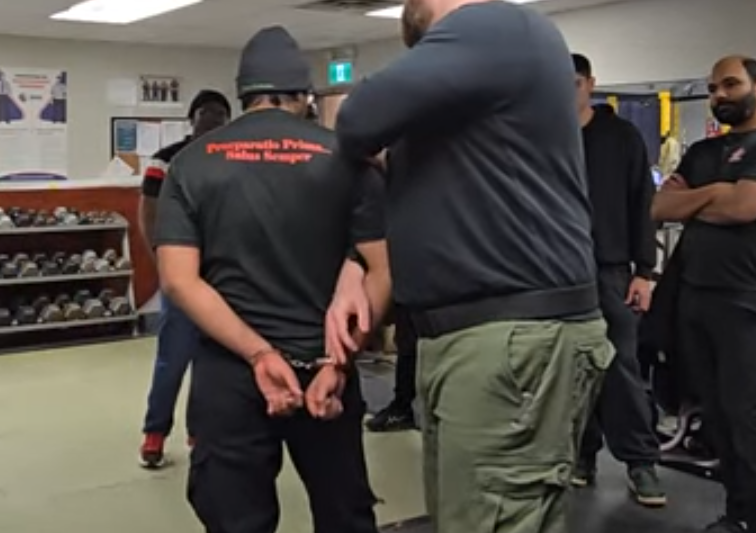
Our personnel participate in practical exercises, realistic scenarios and instructor-led training designed to develop confidence, professional judgment and field-ready skills.
The Five Security Responder Domains
Tier IV and V personnel have completed all five domains. Tier III personnel have completed Use of Force, Tactical Communication and Advanced First Aid.
Security Operations and Leadership
Situational awareness, post orders, documentation and the leadership skills required to manage complex security environments.
Personnel who document incidents accurately, follow post orders consistently and coordinate with site management.
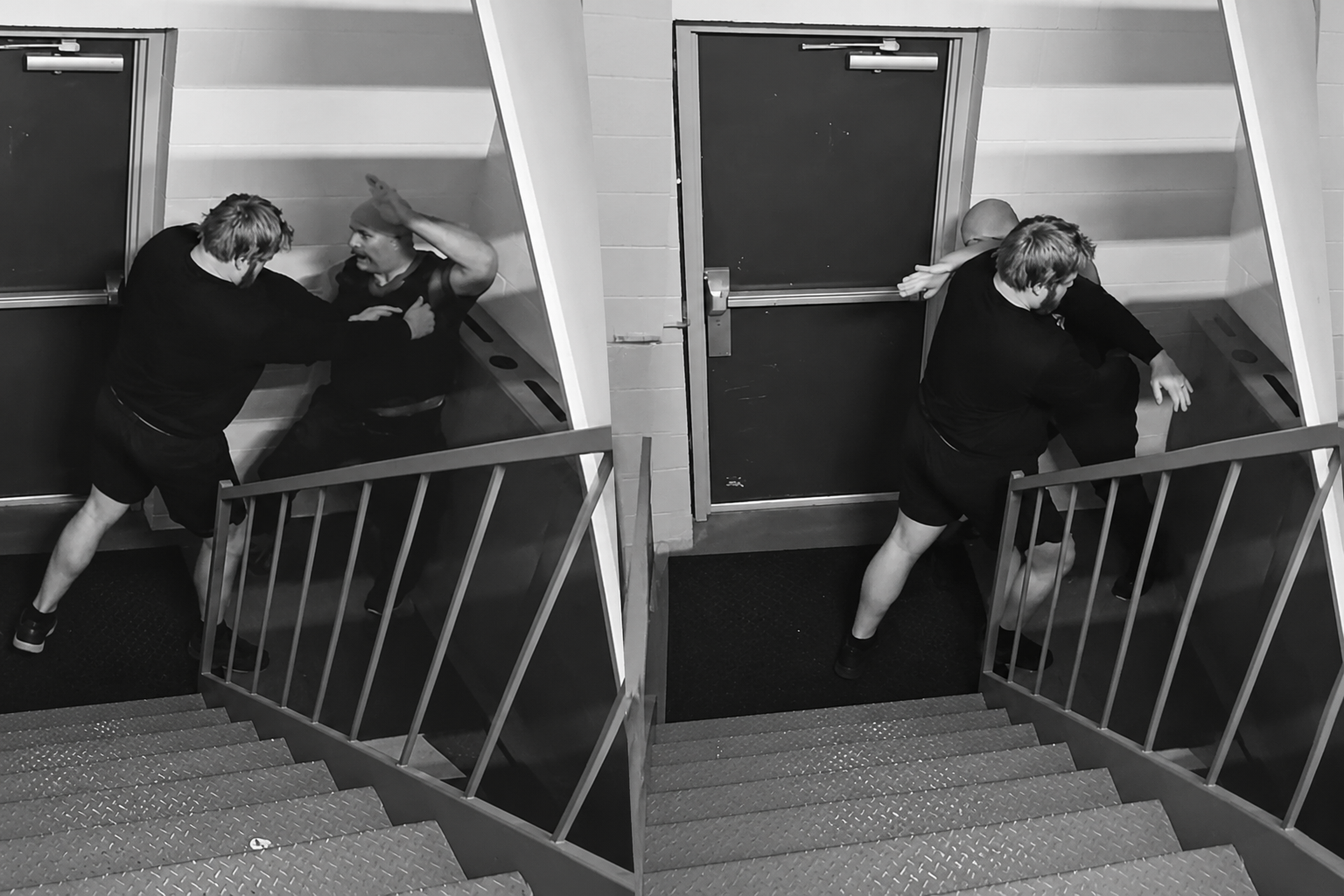
Defensive Tactics and Professional Use of Force
Evidence-based defensive techniques and a structured use-of-force framework emphasizing proportionality, restraint and professional judgment.
When physical intervention is necessary, personnel make lawful, measured and proportionate decisions.
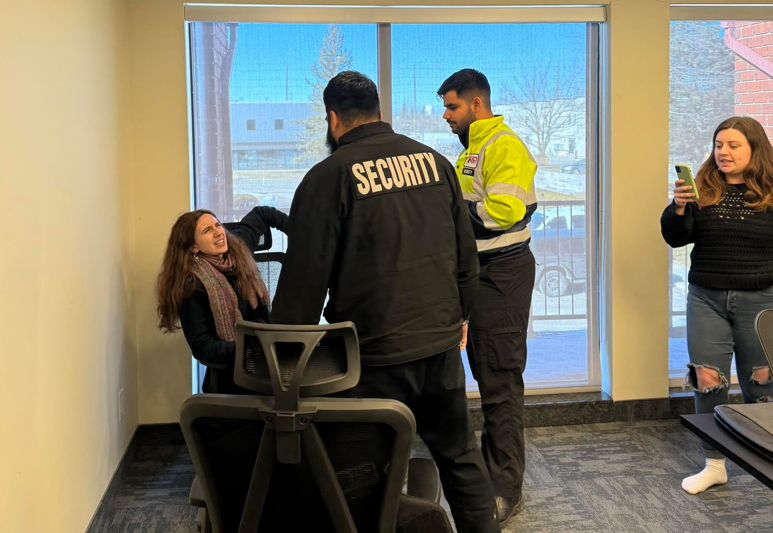
Tactical Communication and De-Escalation
Structured communication techniques for managing conflict, reducing tension and resolving difficult situations without physical intervention wherever possible.
Effective communication helps prevent escalation and supports a safer, more professional environment.
Security First Aid
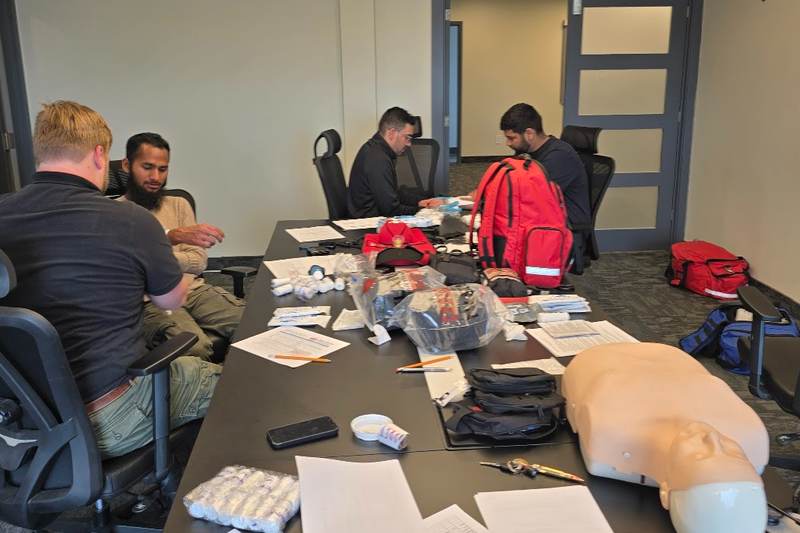
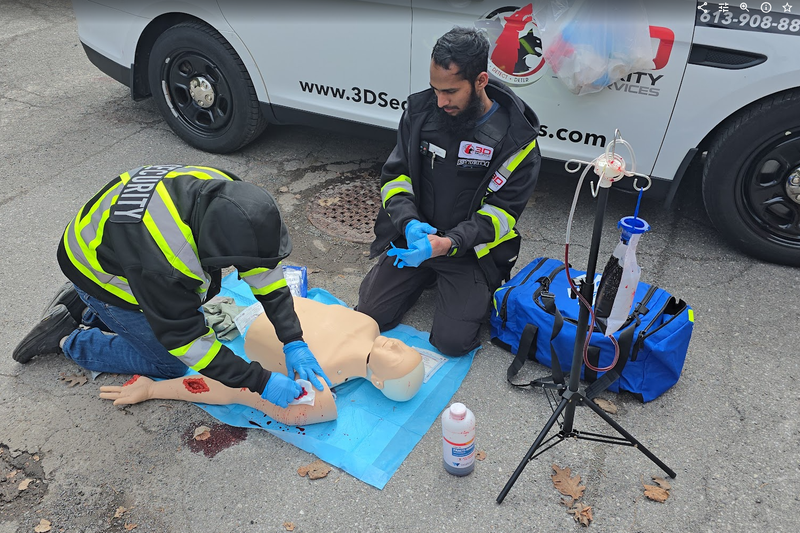
Advanced first aid training for medical emergencies, trauma and health crises in security contexts — including environments where EMS response may be delayed.
Personnel provide initial care during a medical emergency while awaiting EMS — a meaningful capability in any occupied environment.
Emergency Management and Security Response
Structured protocols for evacuations, lockdowns and critical incidents, with clear decision-making frameworks and coordinated response procedures.
Trained personnel take coordinated action during a developing emergency rather than waiting for direction.
Training Levels at a Glance
Enhanced Security
Use of Force, Tactical Communication and Advanced First Aid.
Minimum qualification for all 3D Enhanced Security deployments.
Security Responder
All five Security Responder domains.
Full Security Responder qualification.
Instructor / Mentor Qualification
All five Security Responder domains plus a teachable qualification.
Personnel qualified to train and mentor others.
Tier II requires Use of Force training and is not an Enhanced Security classification.
The Right Qualifications for Your Environment.
Not every environment requires the same level of personnel qualification. 3D Enhanced Security works with clients to understand their specific environment and recommend personnel whose training reflects those requirements.
Assess the Risk
Understand the environment, operational challenges and the situations personnel may need to manage.
Match the Qualifications
Recommend personnel whose training reflects the assessed risks — not simply the highest available tier.
Deploy With Confidence
Appropriately qualified personnel for the environment, so clients can focus on their operations.
See the Difference Preparation Makes.
Contact us to discuss your security requirements and learn how our personnel's training supports better outcomes for your property, residents or guests.